Halloween SVG for Shirts, Skeleton SVG
As a designer who’s stitched over 200 Halloween-themed embroidery projects—from boutique baby onesies to wholesale apron lines—I opened Halloween SVG for Shirts, Skeleton SVG with quiet curiosity, not hype. I wasn’t looking for “cute” or “spooky”—I was asking: Will this hold up under needle and thread? Will my client love it on their custom tote bag, or will it look muddy after washing? Let’s walk through what this design actually delivers—and where it shines or stumbles—in real-world embroidery.
A First Stitch Tells the Story
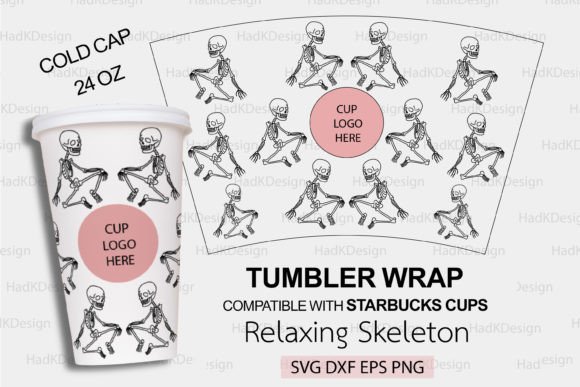
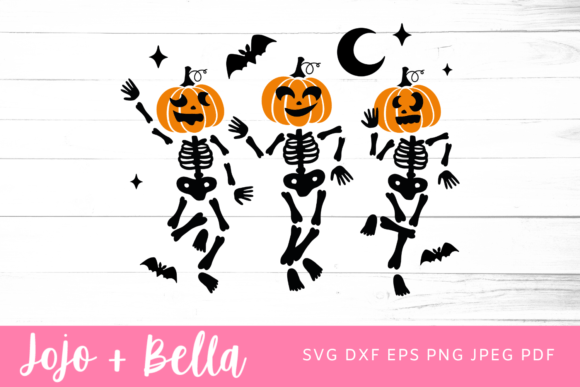
The moment I loaded Halloween SVG for Shirts, Skeleton SVG into my digitizing software, its personality came through: clean, slightly playful, and intentionally uncluttered. It’s not a hyper-detailed anatomical sketch—it’s a friendly, stylized skeleton with subtle curve in the spine, rounded joints, and open, expressive eye sockets. That simplicity is intentional—and smart. In machine embroidery design, fewer fine lines mean fewer skipped stitches on textured fabrics like fleece or terry cloth. I immediately pictured it on a medium-weight cotton tote bag for a local bakery’s Halloween pop-up: bold enough to read at arm’s length, but soft enough not to overwhelm the fabric.
Where This Design Earns Its Keep
Halloween SVG for Shirts, Skeleton SVG works best when treated as a confident focal point—not a background filler. It holds strong on:
- Sweatshirt embroidery: The balanced proportions scale cleanly from 3.5" to 4.5" without distortion—ideal for left-chest placement on crewnecks or hoodies.
- Embroidered patch: Clean outer edges and moderate stitch density make it stable for heat-applied or sew-on patches (just add a merrow border in your digitizing if needed).
- Baby embroidery: No tiny facial details or fragile limbs means less risk of snagging or fraying on onesies and burp cloths—even after repeated gentle washes.
- Holiday gift items: On pillow covers or kitchen towels, it reads clearly at 3" wide and keeps its charm in both black thread on ivory linen and white thread on navy canvas.
- Craft business listings: As a digital embroidery file, its clean vector roots translate well into printable mockups—great for Etsy sellers showing realistic sweatshirt or apron previews without overpromising detail.
Places to Pause—and Test First
This isn’t a one-size-fits-all embroidery file. Its strengths also reveal its limits. Use caution—or better yet, test first—on:
- Small hoop sizes (under 4"): While scalable, the ribcage and grin lose definition below 2.75". Avoid cramming it onto a toddler cap front unless you’re willing to simplify manually.
- Stretchy fabric: The smooth curves rely on stable tension. On jersey or lightweight knits, pair it with cutaway stabilizer—not tear-away—to prevent puckering around the pelvis and shoulders.
- Dark fabric + light thread: The open-eye design reads beautifully on black fabric with bright white or neon thread—but avoid pale yellow or pastel thread here. Contrast matters more than charm.
- Curved surfaces (like structured caps): The horizontal orientation suits flat panels best. If embroidering a curved visor, rotate the design slightly upward and reduce density by 8–10% to keep the jawline crisp.
- Frequent-wash items (baby blankets, tea towels): While the fill stitch layout is solid, avoid ultra-dense satin borders. They’ll stiffen faster. A hybrid of satin + running stitch for outlines adds flexibility.
What It Adds to Your Finished Product—Beyond the Stitch
A good embroidery file doesn’t just stitch—it supports your brand’s voice. Halloween SVG for Shirts, Skeleton SVG quietly elevates handmade presentation because it looks *designed*, not downloaded. Customers notice that difference: on a holiday gift, it signals care; on an Etsy listing, it builds trust before checkout; on a boutique apron, it reinforces cohesive, intentional branding. It’s versatile enough for a “funny Halloween SVG” vibe (pair it with a punny tagline in running stitch) or a “cute Halloween SVG” feel (add tiny stars or bats as separate elements). But it never leans so far into whimsy that it undermines professionalism—critical for small shop products meant for gifting or resale.
Practical Notes Every Embroidery Designer Should Run Through
Before stitching your first client piece or uploading to your craft business store, do these five things:
- Test on scrap fabric—same weight and stretch as your final project. Watch how the ribs and grin hold shape after trimming and washing.
- Check thread color contrast in natural light, not just screen preview. A “Happy Halloween SVG” companion phrase may need bolder thread than the skeleton itself.
- Review stitch density in your embroidery software. If it exceeds 12,000 stitches for a 4" version, consider simplifying non-essential interior lines—especially for baby embroidery or thin fabric.
- Confirm licensing before selling finished items or bundling with other digital embroidery files. Since this is listed among Halloween earring SVG, Halloween tumbler SVG, and Cute Halloween SVG files for Cricut, Sublimation, verify commercial use terms directly with the source.
- Use proper stabilizer—especially for textured or loosely woven fabrics. A single layer of medium-weight cutaway often outperforms two layers of tear-away for clean skeleton outlines.
In short: Halloween SVG for Shirts, Skeleton SVG is a grounded, adaptable design asset—not flashy, but dependable. It fits naturally in the Crafts category because it serves makers, not just markets. And as a Graphics file, it earns its place by translating cleanly from screen to stitch, from sketch to shelf. Whether you’re prepping for a holiday craft fair or building your next Etsy collection, treat it like a reliable collaborator—not just another download. Stitch thoughtfully, test honestly, and let the skeleton do what it does best: stand out, stay legible, and bring quiet joy to real handmade products.