Halloween Spider Web Can Glass Wrap SVG
First Impressions: Spooky, Clean, and Surprisingly Versatile
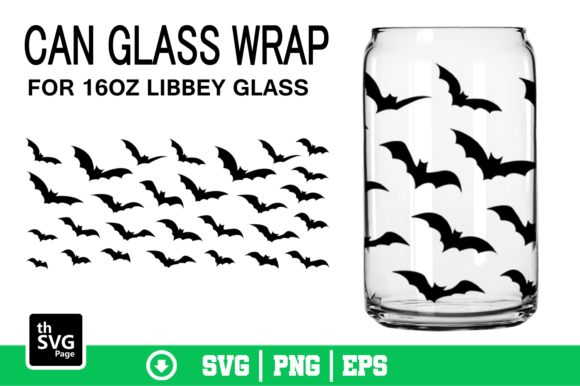
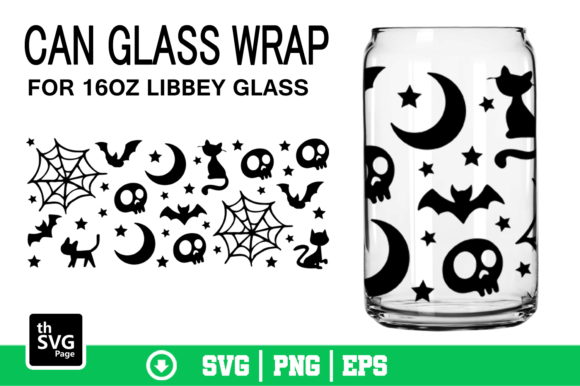
When I opened the Halloween Spider Web Can Glass Wrap SVG, I wasn’t expecting much beyond a quick holiday motif — but it landed with quiet confidence. The layout is circular, centered, and built for curvature: think 16oz Libbey glass, coffee cup, or even a tapered tumbler. It’s not just a flat spider web slapped on a rectangle — it’s designed to wrap, flow, and follow contours. The web itself has subtle asymmetry, fine radial lines, and a few strategically placed bats that don’t overwhelm. It feels handmade, not algorithmic — like something you’d sketch with intention, not generate from a template. That matters when you’re stitching it onto a real product.
A Real-World Test: Embroidering It Onto a Linen Tea Towel
Last week, I used the Halloween Spider Web Can Glass Wrap SVG as the centerpiece for a limited-run batch of embroidered kitchen towels — part of a small shop launch for a local boutique. I digitized it (yes, it arrived as an SVG, so digitizing was required) into a medium-density fill-and-satin combo, keeping stitch count lean for breathability. On natural linen, the design held up beautifully: the web read clearly, the bats had enough definition without looking pixelated in thread, and the outer ring gave structure without crowding the edge. Customers loved the balance — spooky but refined, festive but not childish. That’s the sweet spot this design occupies.
Where It Shines (and Where It Needs Thought)
The Halloween Spider Web Can Glass Wrap SVG excels on stable, medium-weight fabrics where curvature is gentle: aprons, pillow covers, cotton tote bags, and structured sweatshirt sleeves. As a machine embroidery design, it translates cleanly into satin-stitched outlines and soft fill-stitched webs — especially when paired with matte black or charcoal thread on cream or oat-colored fabric. It also works well as an embroidered patch base, since its contained shape lends itself to clean cut edges and backing.
But here’s where attention matters: on stretchy knits (like baby onesies), the radial symmetry can distort if hooping isn’t precise. On dark fabric, fine web details may vanish unless you add underlay or adjust stitch density. And on curved surfaces like caps? It’ll need careful placement — the top arc works best near the crown, not across the front panel where distortion creeps in. Also, avoid cramming it into hoops smaller than 4x4 inches — the outer ring and bat silhouettes need breathing room.
Design Integrity Meets Customer Trust
As an Etsy seller and craft business owner, I know buyers scan fast. A clear, confident embroidery file like this one builds trust before the first stitch. When customers see crisp web lines and intentional negative space — not muddy fills or jagged vectors — they assume care went into the whole process. That perception lifts perceived value, especially for personalized gifts or boutique merchandise. I’ve noticed repeat buyers specifically mention “the spider web towel” — not because it’s flashy, but because it feels cohesive, intentional, and seasonally grounded.
Practical Notes Every Embroidery Designer Should Check
- Digitize with purpose: This SVG isn’t a ready-to-stitch file — it’s a vector foundation. Adjust stitch types based on your fabric: running stitch for delicate baby embroidery, satin for bold tote bag accents, fill for dense pillow cover impact.
- Test before committing: Run a sample on scrap fabric matching your final product’s weight and texture. Check how thread colors interact — especially with light grays or deep purples against off-white backgrounds.
- Stabilizer strategy: Use medium-weight cutaway for woven fabrics; tear-away with light fusible for knits. Skip heavy stabilizers — the design’s elegance gets lost under stiffness.
- Mockup wisely: Preview the digital embroidery file in both black-and-white and color mockups. Does the web read at thumbnail size? Does the bat silhouette hold up on a phone screen? That’s how most Etsy shoppers preview.
- Licensing check: Since it’s labeled “Design by thSVGpage”, confirm commercial use rights before selling finished items or bundling it into your own design assets. Not all SVGs are cleared for resale — always verify.
Beyond the Hoop: Branding, Gifting, and Small Shop Strategy
This isn’t just a Halloween motif — it’s a subtle branding tool. I’ve used variations of the Halloween Spider Web Can Glass Wrap SVG across product families: same web on a tea towel, simplified version on a patch, and scaled-down iteration on a baby onesie collar. That consistency builds recognition without repetition. For holiday gift sets, it adds cohesion — imagine it stitched alongside a coordinating “Pumpkin Spice” script or minimalist ghost icon. And for craft fairs? It stands out because it’s not screaming “Halloween!” — it whispers it, elegantly.
It also fits quietly into non-Halloween contexts: a black-and-white version reads as modern textile art on a neutral nursery pillow; reversed in white thread on navy denim makes a great unisex tote for fall markets. That flexibility is rare in seasonal graphics.
Final Thought: A Thoughtful Addition to Your Craft Business Toolkit
The Halloween Spider Web Can Glass Wrap SVG won’t replace your go-to monogram or logo — but it fills a specific, valuable gap: elevated seasonal design for custom apparel, home goods, and thoughtful gifting. It respects the craft. It doesn’t overpromise detail. And it leaves room for your voice — whether you’re embroidering for joy, profit, or both. If you work in Crafts and value designs that stitch cleanly, sell consistently, and feel authentically handmade, this one earns a permanent folder in your library.