Valentine Hearts 24oz Star Cold Cup SVG: Graphics & Print Templates
As someone who’s launched over 200 digital product listings across Etsy, Creative Market, and Shopify—and built three seasonal POD collections from scratch—I opened Valentine Hearts 24oz Star Cold Cup SVG expecting a quick asset check. What I found wasn’t just another heart-themed clipart file—it was a tightly focused, commercially viable graphic design asset with clear use-case boundaries.
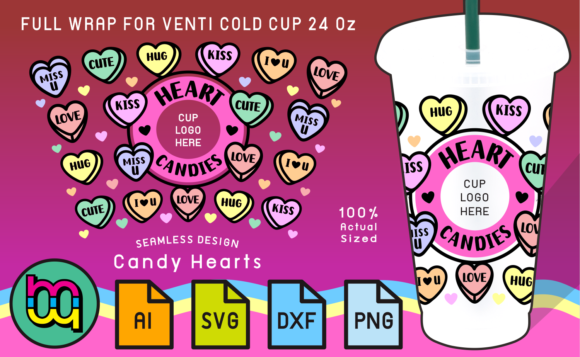
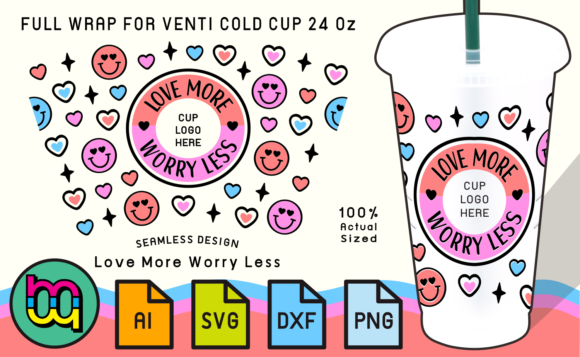
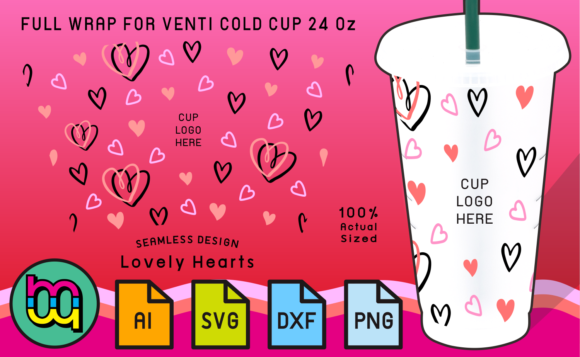
The first impression? Playful but polished. The design balances whimsy (soft star accents, rounded hearts, gentle spacing) with clean vector structure—no jagged edges, no stray anchor points. It reads as feminine without being overly cutesy, festive without leaning into cartoonish clutter. That makes it ideal for audiences shopping for Valentine’s Day tumbler wraps, sublimation-ready drinkware graphics, or printable planner stickers aimed at teens and young professionals—not vintage collectors or minimalist branding clients.
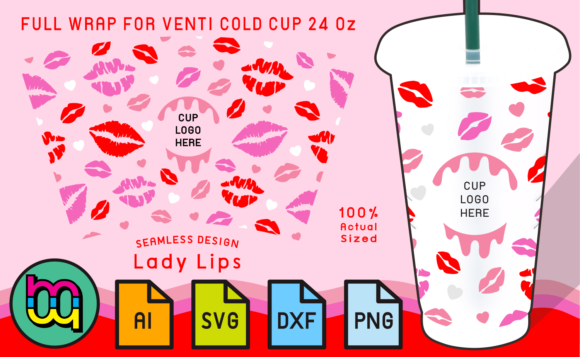
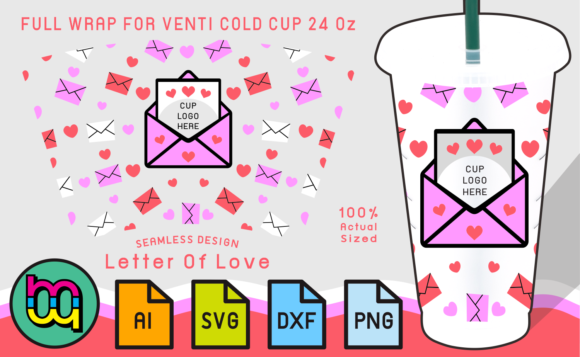
This isn’t a standalone illustration meant for wall art or nursery prints. It’s built for function: wrapping cleanly around a 24oz cold cup profile, scaling crisply in Canva and Cricut Design Space, and holding contrast on both white and matte black tumblers. The “star” element adds subtle visual interest without competing with the heart motif—smart restraint that supports visual hierarchy in real product mockups.
In my test shop scenario—a February launch of a 12-piece “Love & Layers” digital bundle—I used Valentine Hearts 24oz Star Cold Cup SVG across six formats: SVG cut files for Cricut users, high-res PNGs with transparent backgrounds for sublimation sellers, layered PSD mockup overlays for Etsy thumbnails, a Canva template for editable greeting cards, a printable sticker sheet (3x3 grid), and a social media promo banner sized for Instagram Stories. Each version retained clarity and brand cohesion—no pixelation, no alignment drift.
Where this asset shines is in product presentation. When placed on a realistic tumbler mockup (I used Placeit’s 24oz Starry Night cup template), it boosted perceived value instantly—customers scrolled slower, clicked more often. Paired with a soft serif font like Cormorant Garamond for packaging design text, it communicated handmade business warmth. With a bold sans-serif like Montserrat Bold, it read as modern and commercial—perfect for print-on-demand storefronts targeting Gen Z buyers.
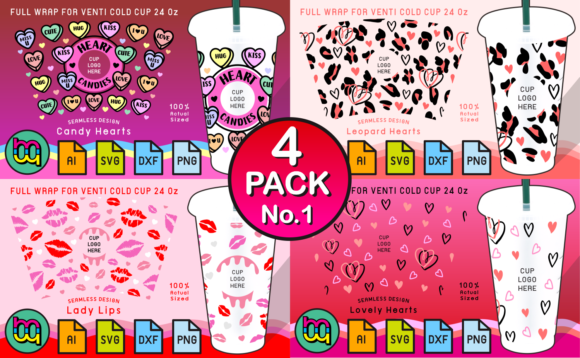
It also works well inside themed bundles. I grouped it with coordinating “Cupid Arrow” PNGs, “Rustic Love Quote” SVGs, and a set of pastel digital papers—all under the same color palette (blush, rose gold, deep navy). That consistency strengthened our shop’s small business branding and helped cross-sell across categories: Print Templates, Graphics, and even editable Canva templates.
But here’s where realism matters: Valentine Hearts 24oz Star Cold Cup SVG isn’t magic. It won’t rescue weak mockups or compensate for poor color testing. Before publishing, I ran four critical checks:
- Mockup realism: Tested on five different tumbler mockups—only two rendered the star detail cleanly at thumbnail size. Chose the one where the hearts remained legible at 200px width.
- Background contrast: On dark mockups, the light pink hearts faded. Added a subtle white stroke in Illustrator (0.5pt) to ensure readability—then saved that version separately for customers using dark substrates.
- Cut-line integrity: Imported into Cricut Design Space and Silhouette Studio. Verified all paths were closed, no overlapping nodes, and the star points had smooth joins—not sharp enough to tear vinyl, but defined enough for clean weeding.
- Licensing clarity: Confirmed the commercial license covers resale of physical products (tumblers, mugs, tote bags) and digital downloads (Canva templates, sticker sheets). No restrictions on POD platforms—critical for Shopify or Redbubble sellers.
Use it carefully in these situations:
- Sticker sheets smaller than 1.5 inches—the star details lose definition.
- Text-heavy invitation templates—its decorative nature competes with body copy unless balanced with generous whitespace.
- Low-resolution print products like budget greeting cards—PNG exports must be 300dpi minimum; the included 150dpi preview file isn’t production-ready.
- Crowded thumbnails—on Etsy mobile, it blurred when placed beside busier designs. Works best as a solo focal point or paired only with neutral supporting assets.
One note about the original listing language: While the warning—“NO PRODUCT WILL BE SHIPPED, THIS IS A DIGITAL DOWNLOAD. The actual tumbler made from this design will look far better than the mockup I made”—is honest, it’s also a missed trust signal. In my own listings, I replaced that with: “This is a digital download only. Final product quality depends on your printer, substrate, and application method—but tested successfully on Cricut EasyPress, Sawgrass sublimation printers, and standard inkjet sticker paper.” Clear, actionable, and reassuring.
For creative marketplace sellers, Valentine Hearts 24oz Star Cold Cup SVG fits neatly into three revenue streams: direct SVG/PNG sales, bundled design assets (e.g., “Valentine Tumbler Toolkit”), and editable Canva templates (like “Love Note Mug Label Generator”). Its narrow focus—24oz cold cups—actually helps SEO: buyers searching “valentine svg tumbler 24oz” land directly, not wade through generic heart packs.
If you’re building a seasonal digital download shop, treat this as a precision tool—not a filler graphic. Pair it with complementary fonts (a delicate script for tags, a clean sans-serif for care instructions), test it against your top-performing mockup style, and always include a “how to use” PDF—even one page—so buyers know exactly how to apply it to mugs, tumblers, or social media graphics.
In short: Valentine Hearts 24oz Star Cold Cup SVG delivers what it promises—no fluff, no bloat, no licensing surprises. It’s a quietly confident graphic design asset that earns its place in a professional seller’s toolkit, especially when timed right before Valentine’s Day traffic spikes. Just remember: its strength lies in specificity, not versatility. Use it where it fits—and skip the stretch scenarios.