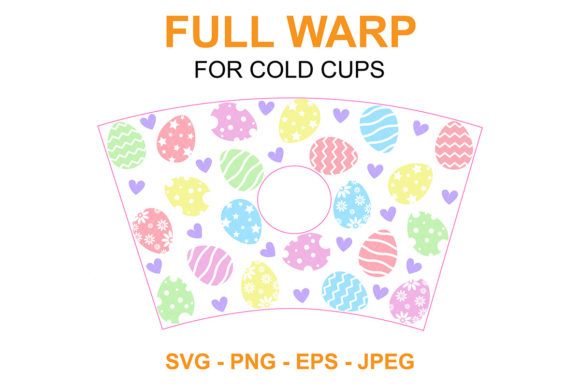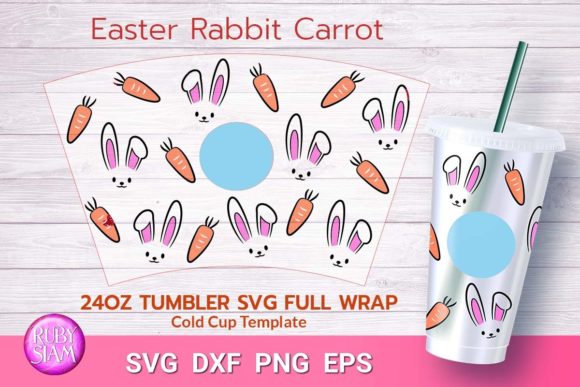
Easter Bunny, Easter Rabbit 24 Oz Cup
As a designer who’s stitched hundreds of holiday motifs—from delicate baby onesies to bold boutique tote bags—I opened the Easter Bunny, Easter Rabbit 24 Oz Cup file expecting something cheerful but generic. What I found was a surprisingly versatile, clean-lined vector that reads well at multiple scales—and more importantly, translates thoughtfully into real embroidery.
A Design That Feels Like Spring, Not Stock Art
The first thing that stands out is its gentle balance: rounded ears, soft facial features, and just enough detail in the whiskers and paw outlines to feel intentional—not overworked. It’s not cartoonish or overly cutesy; it’s friendly, approachable, and quietly confident. That mood matters. When you’re stitching for a small shop selling Easter-themed kitchen towels or personalized sweatshirts for local families, customers respond to warmth and authenticity—not clip-art energy. This design lands right in that sweet spot.
Where It Shines (and Where It Needs Care)
I tested Easter Bunny, Easter Rabbit 24 Oz Cup on a lightweight cotton apron, a medium-weight terry cloth tea towel, and a structured twill cap—three very different embroidery scenarios. On the apron and towel, it stitched cleanly with minimal puckering. The curves held their shape, and the satin-stitched ear edges stayed crisp. On the cap? A bit trickier—the curved surface compressed the lower half slightly, so I adjusted placement higher and used a light cutaway + tear-away combo stabilizer. Result: still charming, but required attention—not automatic.
This isn’t a “drop-in-and-stitch” file for every surface. It works beautifully for:
- Custom apparel: Sweatshirts, crewnecks, and lightweight hoodies—especially when placed on left chest or back yoke.
- Handmade product lines: Embroidered patches for kids’ backpacks, pillow covers for nursery decor, or tea towels for spring gift sets.
- Personalized gifts: Baby onesies, toddler bibs, and Easter basket toppers where clarity and charm matter more than complexity.
- Small shop merchandise: Think boutique-branded totes, reusable grocery bags, or limited-run holiday aprons—where cohesive, seasonal design assets elevate perceived value.
But proceed with care on:
- Thin or stretchy fabric: Lightweight knits need extra stabilization—test stitch density first. Too much fill stitch can cause distortion.
- Dark fabric backgrounds: The design’s subtle inner details (like faint cheek shading or whisker lines) may vanish without high-contrast thread. Try matte black thread on navy, or ecru on charcoal.
- Tiny hoop sizes (under 4”): Some versions include optional inner accents—review the layers before scaling down. A simplified version would be ideal for 3x3 hoops.
- Frequent-wash items: Like baby clothes or kitchen linens—confirm stitch density supports durability. Dense fill areas hold up better than fine running-stitch outlines alone.
What It Adds to Your Finished Product
When embroidered well, Easter Bunny, Easter Rabbit 24 Oz Cup elevates handmade presentation without shouting. It doesn’t overwhelm—it invites. That’s critical for Etsy sellers listing seasonal bundles or craft fair vendors building repeat customers. Buyers notice polish: clean edges, balanced proportions, thoughtful spacing between elements. It signals professionalism, even on a $22 tea towel.
It also supports brand consistency. Because the motif is simple but distinctive—not tied to a specific font or slogan—it pairs easily with coordinating designs (e.g., matching carrot or egg motifs) or your own shop logo. No clashing. No visual noise. Just quiet, seasonal cohesion.
Practical Designer Notes Before You Stitch
Before adding Easter Bunny, Easter Rabbit 24 Oz Cup to your next project, do these five things:
- Test on scrap fabric—same weight and weave as your final piece. Watch how satin-stitched ears behave on textured surfaces like terry or linen.
- Check thread color contrast in natural light. What reads clearly on screen may blur on fabric—especially with low-saturation pastels.
- Review stitch density. If your machine defaults to heavy underlay, reduce it slightly for lightweight fabrics. Over-stabilizing here creates stiffness, not strength.
- Confirm hoop size compatibility. While the vector scales smoothly, embroidery files often include fixed-size versions—verify which one matches your intended application.
- Inspect small details in both black-and-white and color mockups. Does the bunny’s expression hold up when reversed on dark fabric? Does the shape read clearly at 2.5” wide?
And yes—check licensing. This is a Graphics asset, distributed as part of the Tumbler Wraps category, but that doesn’t automatically mean commercial embroidery rights. If you’re selling finished embroidered items or digital embroidery files derived from it, confirm usage terms before listing on Etsy or your own site.
Final Thought: A Quietly Effective Seasonal Asset
Easter Bunny, Easter Rabbit 24 Oz Cup won’t win awards for technical fireworks—but it’s the kind of design that builds trust. It’s the bunny on a handmade kitchen towel that makes a customer pause mid-scroll. It’s the soft-eyed motif on a baby blanket that feels personal, not mass-produced. For embroidery designers and craft business owners, that’s real value: clarity, charm, and quiet confidence in every stitch.
Use it intentionally—not as filler, but as a considered element in your seasonal storytelling. Pair it with quality stabilizer, thoughtful thread choices, and realistic expectations about fabric behavior. Then watch how something simple becomes memorable.