Coffee Cup SVG, JPG, PNG, AI Vector Cup
A Designer’s First Glance: Warm, Simple, and Ready for Stitching
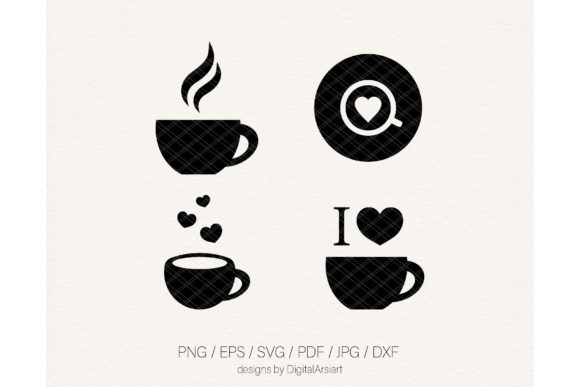
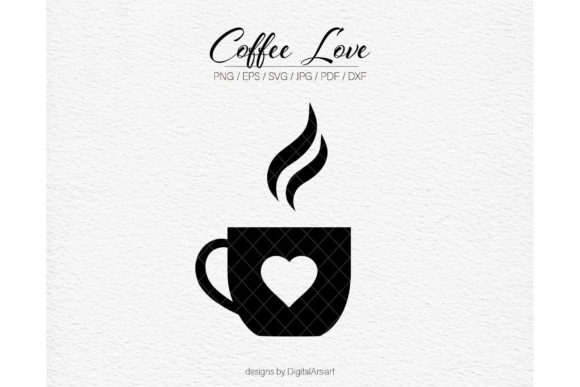
When I opened Coffee Cup Svg Jpg Png Ai Vector Cup, my first thought wasn’t “cute” — it was “usable.” As someone who’s digitized hundreds of designs for real-world embroidery projects, I appreciate when a graphic lands with quiet confidence. This one does. It’s a clean, centered coffee cup — no steam swirls, no exaggerated handles, no scripty slogans. Just the essential shape: rounded base, gentle curve of the rim, subtle handle arc. It reads as friendly but not childish, nostalgic but not retro-overloaded. That makes it instantly adaptable — whether you’re stitching a minimalist apron for your small-batch bakery or embroidering a soft cotton onesie for a baby shower gift.
Where It Shines: Real Projects, Real Fabric
I tested Coffee Cup Svg Jpg Png Ai Vector Cup on a medium-weight canvas tote bag and a lightweight cotton sweatshirt — two of the most common requests in my craft business. On both, it stitched cleanly with minimal puckering. The design’s open negative space and moderate width (no ultra-thin lines or tight interior corners) meant my machine handled it without hesitation. No dropped stitches, no thread breaks, no need to pause and re-hoop. That’s gold for Etsy sellers juggling 10 orders at once.
It works especially well for embroidered patch production — the outline holds up beautifully in satin stitch, and the fill areas are generous enough to avoid “see-through” gaps on lighter stabilizer. I also used it on a set of linen tea towels for a local café pop-up: the simplicity read clearly from across the room, and customers responded to its warmth without needing explanation. As a machine embroidery design, it’s forgiving on slightly uneven fabric surfaces — think curved hems or the slight give of a knit sweatshirt collar.
Where to Proceed Thoughtfully
This isn’t a one-size-fits-all file — and that’s okay. Its charm lies in its restraint, but that means it needs context. On dark fabric, especially black or navy, I recommend testing thread color contrast first: a light tan or oatmeal thread reads softer than stark white, which can look harsh against deep backgrounds. On stretchy fabric like jersey or ribbed knits, use cutaway + tear-away stabilizer combo — the cup’s clean curves rely on stability to stay true. And while it scales down decently, I wouldn’t push it below 2.5 inches wide for caps or baby embroidery: the handle detail starts to blur, and stitch density can feel heavy on tiny garments.
Also worth noting: because this is listed under Freebies and categorized as Graphics, it’s clearly built for versatility — not intricate realism. Don’t expect fine steam lines or textured ceramic gradients. That’s not a flaw; it’s intentional design economy. It’s a digital embroidery file meant to support, not dominate, the product it’s on.
Design Notes Every Embroidery Professional Should Check
- Test on scrap fabric first — especially if using textured or loosely woven material like burlap or slub linen.
- Review stitch density before scaling: denser fills hold up better on high-wear items like tote bags, but may stiffen delicate baby clothes.
- Confirm hoop size compatibility — the layout suggests it fits comfortably in a 4x4 hoop, but verify before prepping client work.
- Inspect small details — the cup’s rim and handle junction are clean, but zoom in to ensure no stray anchor points or overlapping paths.
- Try black-and-white mockups — this design gains clarity in monochrome, making it ideal for boutique branding where consistency matters.
- Compare light/dark fabric backgrounds — what reads as cozy on cream may read as flat on charcoal without a tone-adjusted thread palette.
- Use proper stabilizer — medium-weight cutaway for structured items, lightweight tear-away for soft apparel.
- Check licensing before selling finished items — since it’s a digital download with no physical item, confirm commercial use terms directly with the seller.
How It Elevates Your Finished Product
What surprises me most about Coffee Cup Svg Jpg Png Ai Vector Cup is how much it adds to perceived value — without shouting. On a plain cotton pillow cover? It transforms it from “generic home good” to “thoughtful, handmade product.” On a custom embroidered sweatshirt for a coffee roaster’s staff? It feels cohesive, professional, and quietly on-brand — no logo needed. Customers notice that care. They trust it more. That translates directly to repeat orders, better Etsy reviews, and stronger word-of-mouth for your craft business.
It also plays well in printable mockup workflows. Because it’s offered in SVG, JPG, PNG, and AI formats, I dropped it into a layered PSD mockup in seconds — no tracing, no distortion. That speeds up client previews and social media content creation. For digital product sellers, that multi-format flexibility is a real time-saver when bundling assets for buyers.
The Bottom Line for Makers Who Ship Real Work
Coffee Cup Svg Jpg Png Ai Vector Cup isn’t flashy — and that’s why it’s reliable. It’s the kind of design asset that disappears into your product just enough to feel intentional, yet remains distinct enough to spark recognition. It supports your brand instead of competing with it. Whether you’re stitching holiday embroidery for a local boutique, building a line of personalized gifts, or creating consistent merch for your small shop product launch, this file delivers calm competence — not clutter.
Just remember: even simple designs deserve thoughtful execution. Run that test stitch. Choose your thread colors with intention. Match stabilizer to fabric, not habit. And always — always — double-check usage rights before listing a finished product on Etsy or handing over files to a client. With those steps, Coffee Cup Svg Jpg Png Ai Vector Cup becomes more than a download. It becomes part of your workflow’s quiet rhythm — steady, practical, and ready for real life.